
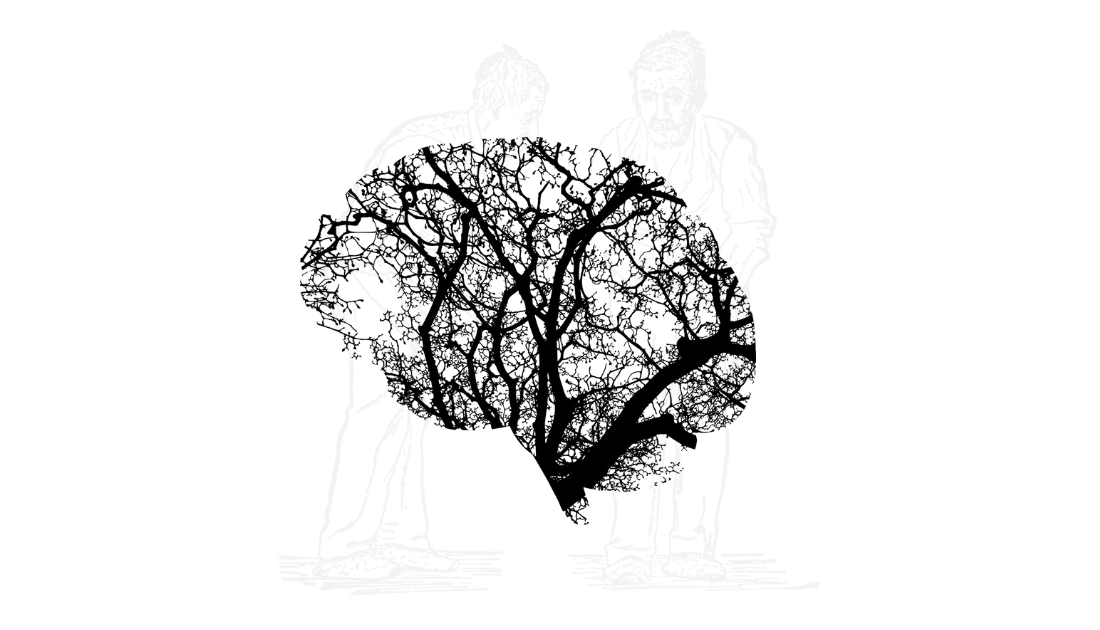
Parkinson’s disease is a neurological disease, which in Sweden has 20,000 people diagnosed. It is the second most common neurological and neurodegenerative disease that affects people today.
The main causes to Parkinson’s disease is that the neurons (nervous cells in the brain and to some degree the stomach) responsible for the production of the signal substance dopamine wither away gradually, usually slowly and continuously.
Nyhetsbrev: Håll dig uppdaterad om Parkinsons
There is currently no known cure for Parkinson’s disease, but treatment is primarily focused on symptom relief via dopamine replacement, where treatment with levodopa is the most common and successful example.
The symptoms of Parkinson’s disease are many and varied, the most prominent ones being the motor symptoms like slow movement, rigidity, tremors and postural instability. Non-motor symptoms like mental fog, depression, anxiety and constipation also are quite common.
In this article we review a range of therapies, some of which are medically established, such as the above-mentioned levodopa, while others are more complementary, such as meditation and dietary supplements. Last but not least, we also concern how the treatment of Parkinson’s may look in the future from a research.

Medical Treatments
Levodopa
 Levodopa is the most effective symptom alleviating drug used in Parkinson’s disease. Levodopa, also known as L-dopa, works by converting to dopamine in the brain in order to replace the dopamine which disappears due to the disease.
Levodopa is generally quite effective in the early phases of Parkinson’s treatment, but since the disease is deteriorating over time, patients often experience less efficacy the medicine after a certain time. The ”therapeutic window” shrinks and on-off symtoms start becoming more prominent.
Dopamine agonists
 Dopamine agonists is another group of common medicines for the treatment of Parkinson’s disease. Dopamine agonists are chemical substances that function by ”mimicking” dopamine and activating the dopamine receptors in the brain.
It is not uncommon for levodopa to be combined with dopamine agonists for a more effective treatment, maximizing the benefits of the various medications.
MAO-B and COMT Inhibitors
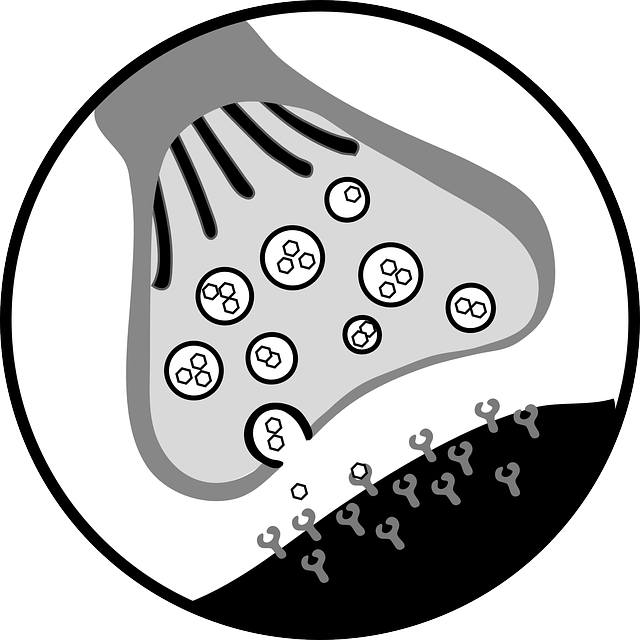 MAO-B and COMT Inhibitors are two common treatments of Parkinson’s. Both of these inhibit enzymes that break down (metabolize) dopamine. When these are inhibited, dopamine in the brain will be available at a higher amount and for a longer period of time. These drugs have their effect both after treatment with levodopa as well as on naturally occurring dopamine.
The problem with today’s dopamine-based treatment and also many of the new treatments is that it does not treat the root cause of the disease but focuses primarily on symptomatic relief. Most new treatments do not focus on inhibiting or slowing down the progression of Parkinson’s, but on treating various symptoms.
Advanced Treatments
Because Parkinson’s is a degenerative disease, some treatments that work well at the beginning stages of the disease may work less optimally in later stages. It is precisely at this time that more advanced treatments like pump treatment and DBS (deep brain stimulation) may be used.
Pump Treatment
 Treatment of Parkinson by a portable pump is a relatively common option for Parkinson’s patients who find themselves in the more advanced stages of the disease.
The treatment/device allows the medicine (levodopa or dopamine agonists) to be supplied in liquid form through a continuous stream with a pump.
Duodopa
Duodopa is L-dopa, which is applied as a gel form directly into the stomach which then proceeds to the small intestine.
The advantage of this type of treatment is that the pump provides a steady flow of levodopa which is subsequently converted to dopamine in the brain.
The disadvantage with this treatment is that it requires an invasive procedure, i.e. operation and attaching a thin hose directly to the stomach.
Apomorphine
Apomorphine is yet another form of treatment that sometimes use a pump, however, the difference lies in the medicine and the method. Instead of levodopa to the stomach, dopamine agonists are injected under the skin. Dopamine agonists are drugs that imitate dopamine and activate the dopamine receptors in the brain.
Neurosurgery (DBS)
 DBS, deep brain stimulation, is the most common surgical procedure for Parkinson’s affected individuals. It is an operation performed on patients who have had the disease for a long time and the decision whether to undergo the proceduee is made after careful medical examination.
DBS works by placing electrodes in specific areas of the brain that are responsible for motor symtoms (movement), and then through a battery, usually placed near the collarbone, send continuous electrical signals to reduce the symptoms.
Complementary Treatments
Meditation
 Meditation has been shown to, in certain studies and for some individuals, contribute a discernable improvement in non-motor symptoms such as anxiety, depression and in some cases even with primary motor symptoms.
Physical activity
 Physical activity is a given to many people, as it naturally improves one’s health while it has also been shown in many studies to positively affect the heart and also the brain, especially with regards to brainplasticity.
Yoga
 Yoga poses and stretching exercises have been shown in some studies to help with both motor and non-motor symptoms.
Nutraceuticals
 Nutritional supplements (nutraceuticals) in the forms of vitamins, minerals and extracts have shown in some studies to act as an complementary Parkinson’s treatment.
Dance
 Dance is not only fun but can also act as a creative type of treatment showed a 2007 study that compared tango to gymnastics for Parkinson’s disease.
Boxing
 Boxing is used by many rehabilitation centers for Parkinson’s in order to build strength, balance and coordination for Parkinson’s affected individuals.
Mental training
 Brain gymnastics in the forms of reading, chess, memory techniques and the like, can be a good way to keep your brain active and strong.
Future Treatments
Stemcells
 Stem cells are quite the trendy topic in today’s medical world. Today, many fascinating studies with stem cell implants are performed in animal experiments and also with humans.
Despite the fact that quite few successful ”stem cell operations” have been performed on people with Parkinson’s disease, there is still hope that this treatment eventually will result in a partial ”cure” for PD. It probably remains several years before it can become a standardized treatment, ie. that stem cells become an approved medical treatment for Parkinson’s disease.
Neurogenesis
 Growth proteins and / or neurogenes, ie, the formation of new neurons in the basal ganglia through stimulation. This may occur by the infusion of substances directly into the brain or through an orally active substance. Also here a lot of research remains before this can be a viable treatment.
The problem with today’s dopamine-based treatment and many of the new treatments is that it does not address the root cause of the disease but focus rather primarily on symptom relief.
Gene therapy
 Gene therapy is another interesting and promising topic of research that may be used for medical purposes against many diseases, including Parkinson’s disease.
The main idea is to supply genetic material to the nerve cells and to improve the production of substances like dopamine, levodopa and / or restore damaged genes associated with the development of Parkinson’s disease. Again, it is noted that the main goal is usually to find ways to replace lost dopamine, not to attack the cause of the disease.
Like other advanced treatments, it will take a long time before these treatments become an approved therapy and widely available.
NOTE: this article is not intended to be a treatment recommendation. All treatments of diseases should be carried out in conjunction with a treating physician/doctor.

Daniel Seker har arbetat inom digital marknadsföring sedan 2011, mest med egna projekt men även företaget Sensidose och på Navamedic. Han har läst idéhistoria på Uppsala Universitet samt har författat ett flertal e-böcker om meditation, sinnesfrid och dylikt på sina hemsidor.
